

Politics regulate the organization and government of a country.

Democratic States appeared in the 18th century, after the French Revolution.
Their characteristics are:
- Political power is controlled by the citizens who elect their representatives in general and local elections
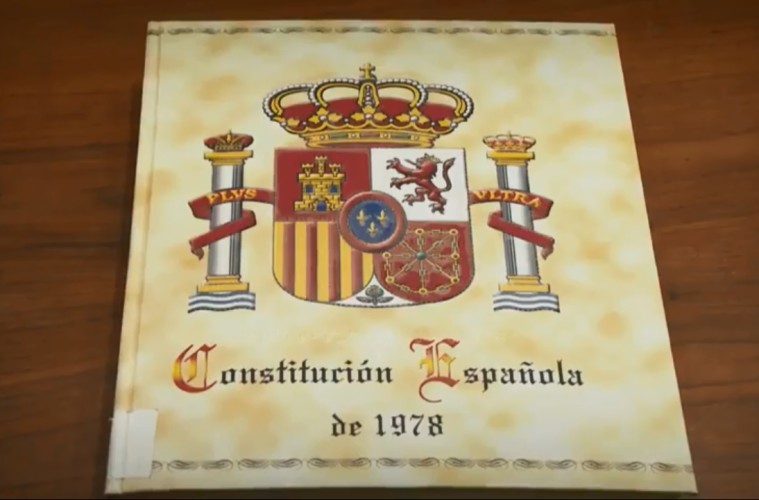
- All citizens accept the law. The most important law in a Country is the Constitution. All the laws should be compatible with the Constitution.
- All citizens are equal and have the right to vote.
- State recognizes rights to the citizens.

Power is divided into different institutions to avoid abuses. The main powers are:
- Legislative power is in charge of making laws. Parliaments are the institutions that make and pass the laws. The Spanish Parliament are the Cortes based on two chambers: Congreso and Senado.
- Executive power corresponds to the Government and it is responsible for taking political decisions and applying the laws.
- Judicial power solves problems between laws and their enforcement.

Democratic states could be classified into:
- REPUBLICS WITH A PRESIDENT ELECTED BY THE CITIZENS
- MONARCHIES WHOSE HEAD OF THE STATE IS A KING WHO IS NOT ELECTED BY THE CITIZENS.


POWERPOINT PRESENTATION ON THE TOPIC:
NOTES READY TO STUDY:
WORKSHEETS TO PRACTICE:
SeparationofPowersThreeBranchesGraphicOrganizerandAnswerKey-1
TypesofGovernmentVocabCardsReadingStudentWorksheetsandAnswerKeys-2
3BRANCHESOFTHEUSGOVERNMENTCrosswordPuzzleWorksheetActivity-1
VIDEOS TO REVIEW:
 4 TRAVELLING ACROSS TIME